Important Dog Grooming Services Every Pet Owner Should Consider for a Well-Groomed Pup
Grooming serves a vital function in preserving a dog's general well-being. Regular baths, nail trimming, and ear and teeth cleaning are fundamental services that all dog owners should prioritize. These habits not only promote hygiene but also benefit a dog's comfort and quality of life. Appreciating the significance of these services can guide owners toward superior care. What particular advantages do these grooming treatments offer, and in what ways can they enhance a dog's daily life?
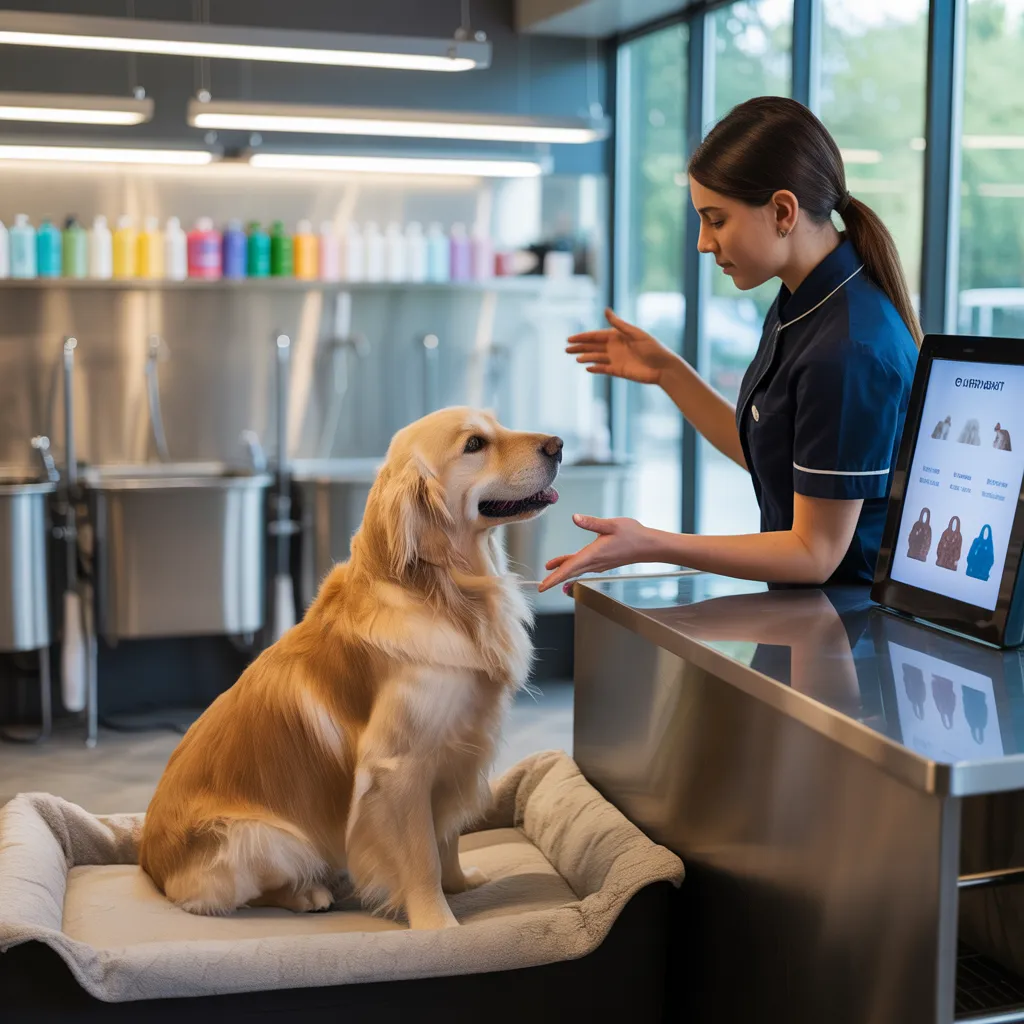
Why Regular Grooming Is Essential for Your Dog's Health
Regular grooming is essential for a dog's health, as it aids in preventing numerous skin conditions and supports general well-being. Frequent brushing sweeps away loose fur and grime, which can otherwise lead to matting and skin irritations. This routine also activates the skin's natural oils, supporting a vibrant coat and minimizing the likelihood of dryness or infection.
In addition, grooming appointments offer an occasion for pet parents to check for unusual signs, such as bumps, lumps, or parasites, fostering the early recognition of underlying health problems. Moreover, routine grooming assists in maintaining adequate hygiene by brushing teeth, cleaning the ears, and trimming nails, which can help avoid infections and dental complications.
Essential Washing and Drying Practices for a Clean Pooch
Effective bathing and drying techniques are essential for maintaining a dog's cleanliness and overall health. Selecting the appropriate shampoo, employing proper drying methods, and determining the right frequency of baths are key factors in this process. Understanding these elements can greatly enhance a dog's grooming routine.
Finding the Ideal Shampoo
How can one select the right shampoo for their dog? Selecting an suitable shampoo is vital for supporting a dog's skin and coat health. Dog owners should first reflect on their dog's specific skin type; dogs prone to allergies or skin sensitivity may require hypoallergenic shampoos, while dogs with oily or greasy coats might do well with clarifying shampoos. Additionally, ingredients play a significant role; natural components like oatmeal can relieve skin irritation, while specially formulated medicated shampoos may target particular skin conditions. One should also take into account the dog's breed, as different breeds have varied coat types that necessitate specialized grooming formulas. Speaking with a qualified veterinarian can yield valuable recommendations, ensuring that the chosen shampoo aligns with the dog's individual requirements for optimal health and well-being.
Correct Drying Techniques
Following a bath, confirming a dog is adequately dried is essential for both their wellbeing and comfort. A wet coat can lead to skin irritation and fungal infections, making efficient drying practices vital. Towels are often the first line of defense; they should be used to gently absorb excess water without scrubbing, which could irritate the skin. For dogs with longer fur, a powerful pet dryer can quickly eliminate dampness, but it's important to use it at a safe distance to minimize heat exposure. Furthermore, the drying process should be carried out in a comfortable draft-free space to preserve the dog's wellbeing. Routinely inspecting for any symptoms of irritation during drying can help guarantee the dog continues to be healthy and comfortable post-bath.
Frequency of Baths
Establishing the ideal regularity of bathing sessions for canines is vital for upholding their overall cleanliness and skin condition. Most vets advise giving dogs baths every four to six weeks, but this tends to fluctuate based on factors such as coat type, breed, and activity level. Short-coated breeds may require less frequent baths, while heavily shedding or long-haired breeds may need more frequent bathing. Furthermore, canines with skin issues may require specific bathing schedules. Overbathing can deplete the coat's natural oils, causing irritation and dry skin. It is advisable for pet owners to observe their dog's coat and skin condition to modify their bathing schedule as needed. In the end, a thoughtful strategy guarantees a well-groomed and healthy pet without damaging the skin's natural balance.
Why Trimming Your Dog's Nails Is a Necessity?
Nail trimming is a vital part of canine grooming that directly contributes to a dog's total health and comfort. Consistent nail care keeps the nails from growing too long, which can cause soreness and distress for the animal. Excessively long nails can result in complications like difficulty walking, joint strain, and even injuries.
Moreover, lengthy nails can split or crack, which can result in potential infections. Nail trimming also helps maintain proper posture and balance, enabling dogs to move with ease and comfort. This is especially crucial for active breeds that depend on agility and detailed guide movement.
Furthermore, frequent nail trimming serves to decrease the risk of scratch-related injuries affecting both the dog and its owners. Simply put, ensuring nails remain at the right length is critical for a dog's bodily health, promoting a more joyful and energetic way of life. Dog owners are encouraged to make this grooming practice a staple of their pet care regimen.
The Benefits of Expert Grooming
Professional grooming delivers many advantages for canine companions, including preventing skin conditions and early detection of underlying health concerns. Additionally, the grooming process can strengthen the bond between the owner and their dog, fostering trust and comfort. Such positive outcomes highlight the need for routine grooming in preserving your dog's long-term health and happiness.
Health Perks of Regular Grooming
Grooming not only enhances a dog's appearance but also plays an indispensable role in their overall health. Consistent grooming helps in the early identification of possible health problems, such as skin conditions, parasites, or growths that may necessitate a visit to the vet. Through proper coat maintenance, groomers can avoid matting, which often results in skin irritation and significant discomfort. In addition, consistent grooming encourages healthy skin and fur through the even distribution of natural oils, reduced shedding, and fewer allergens throughout the home. Trimming the nails is also a crucial component, since excessively long nails can lead to discomfort and problems with movement. Overall, professional grooming supports a dog's physical well-being, guaranteeing they stay comfortable and healthy for the duration of their life.
Enhanced Bonding Experience
A dog's grooming experience can greatly enhance the relationship between the dog and its owner. Expert grooming not only helps maintain a dog's coat and appearance but also builds trust and comfort. During each grooming session, the dog begins to associate the experience with attentive care and positive reinforcement, which deepens the emotional bond with its owner. Additionally, regular grooming provides the chance for owners to keep a close eye on their pet's health, identifying potential health concerns early. This careful attention can lead to a greater understanding of the dog's needs and behaviors. Overall, the mutual experience of grooming can transform routine maintenance into a significant bonding ritual, solidifying the connection between the dog and its owner while supporting overall health and well-being.
Why Your Dog Needs Regular Ear Cleaning
Even though many dog owners tend to neglect ear cleaning, it is essential for a dog's general health and wellness. Consistent ear cleaning plays a key role in preventing the accumulation of wax, debris, and dirt, which can lead to infections and discomfort. Dogs, particularly those with floppy ears or abundant hair, are at greater risk for ear issues due to reduced airflow and moisture retention.
Overlooking ear hygiene can result in serious health issues such as otitis externa, which may require veterinary intervention and treatment. Furthermore, periodic ear maintenance allows pet owners to observe their dog's ears closely for any abnormal indicators, such as inflammation or bad odors, which may signal underlying health issues.
Including ear cleaning into a regular grooming schedule not only benefits physical health but also encourages a deeper bond between the pet and owner, highlighting the importance of dedicated care. Fundamentally, maintaining clean ears plays a significant role to a dog's overall quality of life.
How Teeth Cleaning Supports Your Overall Well-Being
Regular teeth cleaning considerably benefits a dog's total wellness. Keeping up with dental care is vital, as tooth-related conditions can lead to serious medical concerns. The accumulation of plaque may result in dental infections, causing soreness and irritation, which can influence a dog's temperament and food intake. Long-term oral health issues can also result in harmful bacteria spreading through the blood, potentially impacting essential internal organs such as the kidneys and heart.
Regular teeth cleaning helps prevent these health risks while also promoting fresher breath and a healthier mouth. Regular dental care can identify the early signs of oral disease, enabling timely intervention. Additionally, maintaining a clean mouth supports improved quality of life, allowing dogs to eat and play comfortably.
Opting for expert dental cleaning included in pet grooming packages ensures that pets receive comprehensive treatment, ultimately leading to a healthier, happier companion. Prioritizing dental hygiene is vital for overall health and longevity.
How to Pick the Ideal Grooming Service for Your Dog
How can pet owners guarantee they select the right grooming service for their dogs? To begin, they should look into nearby grooming establishments and check reviews to understand the experiences of fellow pet owners. Visiting the grooming salon in advance provides an opportunity to observe the environment, confirming it is clean and safe.
Dog owners ought to ask about the grooming professionals' qualifications and experience, with a focus on their pet's breed and particular grooming considerations. A initial appointment can help assess the grooming specialist's understanding of the dog's disposition and medical requirements.
Furthermore, exploring the services offered—such as nail trimming, baths, and ear cleaning—can help owners find a service that meets their dog's requirements. Lastly, evaluating the facility's grooming practices and product choices ensures suitability for the dog's sensitivities. By adhering to these guidelines, owners can identify a grooming provider that supports their pet's well-being and happiness.
Common Questions and Answers
How Frequently Should I Groom My Dog Depending on Its Breed?
Grooming frequency varies by breed; dogs with long coats may need grooming sessions every week, while breeds with shorter coats may need attention every couple of weeks. Consistent grooming sessions support a healthy coat and reduce the risk of matting, contributing to overall canine well-being.
What Tools Do Professional Groomers Use That I Might Not Have?
Skilled grooming professionals frequently employ specialized grooming instruments such as slicker brushes, clippers, dematting combs, and high-velocity dryers. Such tools enhance efficiency and effectiveness, delivering a comprehensive grooming session that the average pet owner may not be equipped to provide.
Can Regular Grooming Help With Shedding and Allergies?
Pet grooming significantly reduces pet dander and shedding by removing loose fur and dander. Routine brushing and bathing support a healthier coat, greatly decreasing the effects of pet-related allergies for both the pet and its owner.
What Are the Specific Grooming Needs for Puppies or Older Dogs?
Puppies require delicate grooming to acclimate them to the process, while older dogs may require tailored treatment for sensitive skin and mobility issues. Both stages benefit from tailored grooming to guarantee comfort and health.
What Should I Do if My Dog Hates Grooming?
If a dog hates grooming, it's essential to introduce grooming gradually, by utilizing positive reinforcement techniques. Brief grooming sessions, rewards, and comfortable surroundings can assist in reducing anxiety, ensuring the process is more enjoyable and less overwhelming for the dog.